Screen Time and Eye Health in Teenagers: What Parents Need to Know
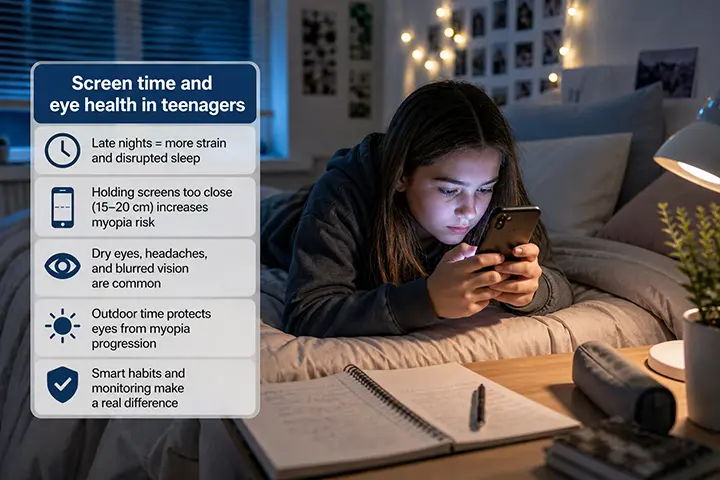
Teenagers use screens differently than younger children — more independently, later at night, and in ways that are much harder for parents to monitor. Here’s…
Read more →Short, practical articles on protecting your vision and your children's eyes from the effects of close-screen use — backed by research, written for everyday parents and smartphone users.
Teenagers use screens differently than younger children — more independently, later at night, and in ways that are much harder for parents to monitor. Here’s…
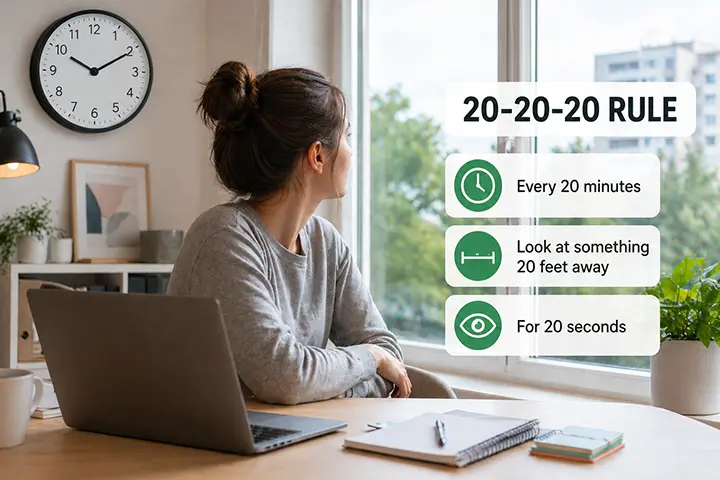
Read more →Every optometrist recommends it. Every “reduce eye strain” article mentions it. But what does the research actually say about the 20-20-20 rule — and is…
Read more →Myopia rates in children have doubled in a generation. Smartphones arrived at roughly the same time. Here’s what the research actually says about the connection…
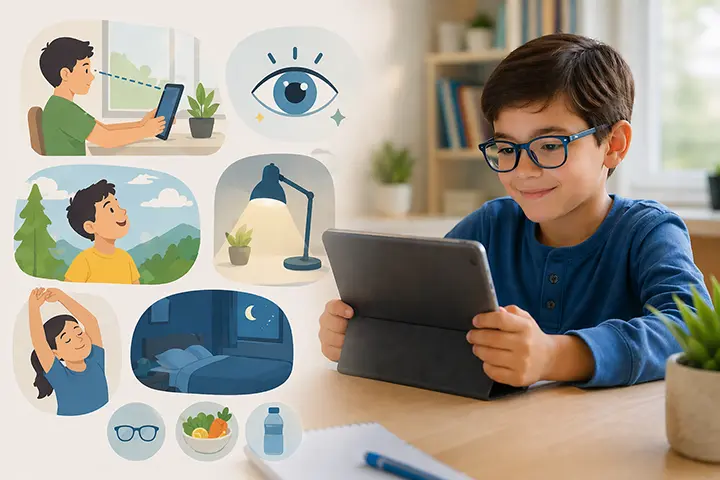
Read more →Children under 12 are using screens more than ever — and their eyes are paying the price. The good news: the habits that protect their…
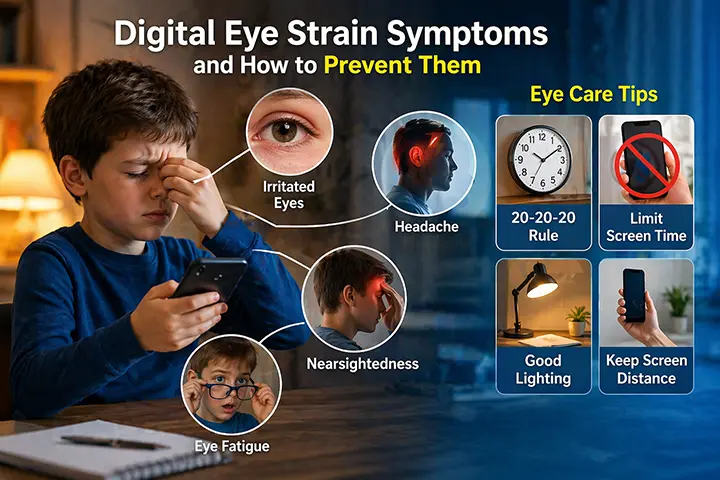
Read more →Your eyes weren’t designed for screens. After hours of scrolling, reading, and watching, they’ll tell you — if you know what to listen for. Digital…
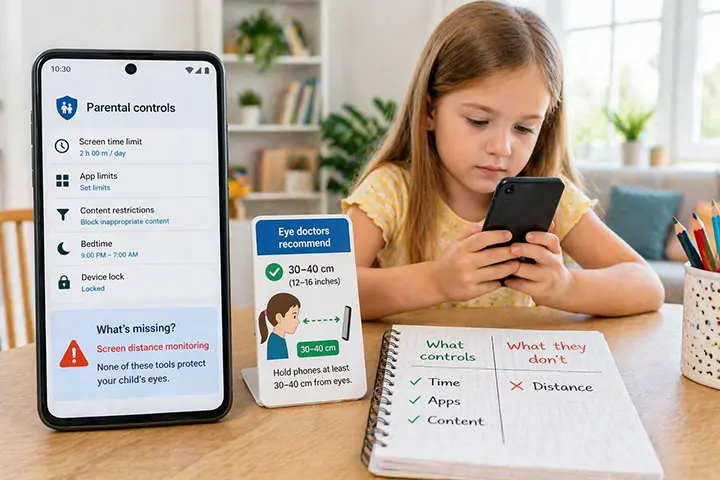
Read more →Android has powerful tools for managing what your child does on their phone. But there’s one critical gap that none of them address — and…
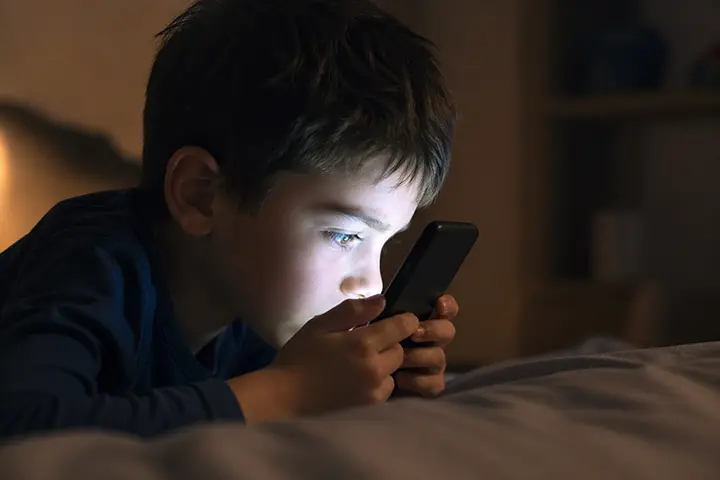
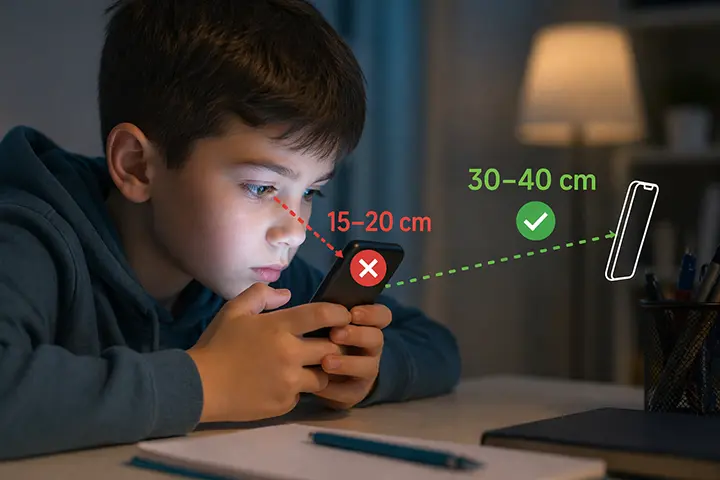
Read more →Most children hold their phones 15–20 cm from their face. Eye doctors recommend at least 30–40 cm. That gap is silently damaging their vision —…
Read more →Most conversations about children and smartphones focus on one question: how long are they using it? Screen time limits, app timers, bedtime restrictions — these are useful tools, and we cover them here. But there's a second variable that gets far less attention: how close.
Common guidance is to keep a phone about 30–40 cm from the eyes, yet children often hold it much closer, for hours at a time. Research published in the British Journal of Ophthalmology links this kind of sustained near work to myopia in children.
The articles on this blog cover that research, the practical habits that make a difference, and the tools available to parents who want to do more than remind their child to hold the phone further away.
For parents: Guides on childhood myopia, screen distance recommendations by age, how to set up parental controls for eye health, and why verbal reminders don't produce lasting change — and what does.
For adults: How prolonged close-screen use contributes to digital eye strain, what the 20-20-20 rule actually does (and doesn't do), and simple habits that make long screen days easier on the eyes without cutting screen time.
Evidence-based: Every article references current research from ophthalmology journals and clinical guidelines. We distinguish between what the evidence shows and what remains uncertain.
The articles here are published by the team behind iVisionGuard — a free Android app that monitors screen-to-face distance in real time and reminds you when the phone gets too close. It runs in the background, detects distance on the device and never records video.
iVisionGuard was built to solve a problem that screen time tools don't address: not how long you use your phone, but how close. Adult and child profiles, habit statistics and reminders in your own voice are free on Google Play. The optional Plus adds a parent PIN lock, a full-screen warning and extended statistics.